

Technical SEO Essentials Every Digital Marketer Should Know
Digital marketing often focuses on content, ads, and social media. Yet none of these efforts perform well without a solid technical foundation. IT builds the website, marketing brings the traffic, but technical SEO ensures that both work together effectively. Technical SEO works behind the scenes. It helps search engines crawl, understand, and index a website properly. When technical elements are ignored, even strong content struggles to rank. Every digital marketer should understand the essentials. These fundamentals support visibility, user experience, and long-term growth. Technical SEO is not about tricks. It is about structure, clarity, and performance.
Website Crawlability and Indexation
Search engines rely on bots to discover pages. If those bots cannot crawl a site efficiently, rankings suffer. A clear site structure helps crawlers navigate content. Logical internal linking connects related pages. XML sitemaps guide search engines toward important URLs. Robots.txt files must be configured carefully. Blocking critical pages can prevent indexing entirely. Marketers should regularly check index coverage reports. These reports reveal which pages are indexed and which are excluded. Identifying crawl errors early prevents visibility issues.
Mobile Optimization

Mobile traffic now dominates most industries. Search engines prioritize mobile-first indexing. This means the mobile version of a site determines ranking signals. Responsive design adapts layout to different screen sizes. Text should be readable without zooming. Buttons must be easy to tap. Mobile performance also affects speed metrics. A desktop-optimized site that fails on mobile will struggle in competitive results. Digital marketers should test mobile usability regularly to ensure consistency across devices.
Site Speed and Performance
Page speed affects both rankings and user satisfaction. Slow websites increase bounce rates. Visitors rarely wait for pages that take too long to load. Optimizing images reduces file size. Minimizing scripts decreases loading time. Browser caching improves repeat visits. Core Web Vitals measure performance metrics such as loading speed, interactivity, and visual stability. Monitoring these signals helps maintain technical health. Speed optimization is not optional. It directly influences organic performance and conversion rates.
Secure Website Configuration
Security is a ranking factor. Websites must use HTTPS encryption. SSL certificates protect data exchanged between users and servers. Browsers warn visitors when a site lacks a secure configuration. Mixed content errors, where secure and insecure resources load together, can harm credibility. These technical issues should be resolved quickly. A secure environment builds trust. It also signals professionalism and reliability.
URL Structure and Canonicalization
Clean URLs improve both user experience and crawl efficiency. Short, descriptive URLs perform better than long, complex strings. Canonical tags prevent duplicate content issues. They indicate which version of a page should be indexed when similar pages exist. Duplicate content confuses search engines. It divides ranking signals across multiple URLs. Marketers should audit URL structures periodically to maintain clarity and prevent unnecessary duplication.
Schema Markup and Structured Data

Structured data helps search engines interpret content more accurately. Schema markup provides context for products, reviews, events, and articles. When implemented correctly, structured data enhances search results with rich snippets. These snippets increase visibility and click-through rates. Technical accuracy matters. Incorrect schema implementation can trigger warnings in search console tools. Adding structured data creates clearer communication between websites and search engines.
Minimized Technical Errors
Technical errors can undermine strong marketing campaigns. Broken links frustrate users. Redirect loops disrupt navigation. Server errors block access. Regular site audits identify these problems. Monitoring tools track uptime and performance stability. Fixing errors quickly preserves credibility. It also protects ranking signals that may weaken over time if ignored. Proactive maintenance prevents small issues from becoming significant obstacles.
Optimized International and Local Signals
Some businesses target global audiences. Others focus on specific regions. Technical SEO supports both strategies. Hreflang tags indicate language and regional targeting. These tags help search engines serve the correct version of a page. Local businesses should maintain consistent name, address, and phone information across platforms. Technical alignment strengthens local relevance. Proper configuration ensures that geographic targeting functions …
Digital marketing often focuses on content, ads, and social media. Yet none of these efforts perform well without a solid technical foundation. IT builds the website, marketing brings the traffic, but technical SEO ensures that both work together effectively. Technical SEO works behind the scenes. It helps search engines crawl, understand, and index a website properly. When technical elements are ignored, even strong content struggles to rank. Every digital marketer should understand the essentials. These fundamentals support visibility, user experience, and long-term growth. Technical SEO is not about tricks. It is about structure, clarity, and performance.
Website Crawlability and Indexation
Search engines rely on bots to discover pages. If those bots cannot crawl a site efficiently, rankings suffer. A clear site structure helps crawlers navigate content. Logical internal linking connects related pages. XML sitemaps guide search engines toward important URLs. Robots.txt files must be configured carefully. Blocking critical pages can prevent indexing entirely. Marketers should regularly check index coverage reports. These reports reveal which pages are indexed and which are excluded. Identifying crawl errors early prevents visibility issues.
Mobile Optimization
Mobile traffic now dominates most industries. Search engines prioritize mobile-first indexing. This means the mobile version of a site determines ranking signals. Responsive design adapts layout to different screen sizes. Text should be readable without zooming. Buttons must be easy to tap. Mobile performance also affects speed metrics. A desktop-optimized site that fails on mobile will struggle in competitive results. Digital marketers should test mobile usability regularly to ensure consistency across devices.
Site Speed and Performance
Page speed affects both rankings and user satisfaction. Slow websites increase bounce rates. Visitors rarely wait for pages that take too long to load. Optimizing images reduces file size. Minimizing scripts decreases loading time. Browser caching improves repeat visits. Core Web Vitals measure performance metrics such as loading speed, interactivity, and visual stability. Monitoring these signals helps maintain technical health. Speed optimization is not optional. It directly influences organic performance and conversion rates.
Secure Website Configuration
Security is a ranking factor. Websites must use HTTPS encryption. SSL certificates protect data exchanged between users and servers. Browsers warn visitors when a site lacks a secure configuration. Mixed content errors, where secure and insecure resources load together, can harm credibility. These technical issues should be resolved quickly. A secure environment builds trust. It also signals professionalism and reliability.
URL Structure and Canonicalization
Clean URLs improve both user experience and crawl efficiency. Short, descriptive URLs perform better than long, complex strings. Canonical tags prevent duplicate content issues. They indicate which version of a page should be indexed when similar pages exist. Duplicate content confuses search engines. It divides ranking signals across multiple URLs. Marketers should audit URL structures periodically to maintain clarity and prevent unnecessary duplication.
Schema Markup and Structured Data
Structured data helps search engines interpret content more accurately. Schema markup provides context for products, reviews, events, and articles. When implemented correctly, structured data enhances search results with rich snippets. These snippets increase visibility and click-through rates. Technical accuracy matters. Incorrect schema implementation can trigger warnings in search console tools. Adding structured data creates clearer communication between websites and search engines.
Minimized Technical Errors
Technical errors can undermine strong marketing campaigns. Broken links frustrate users. Redirect loops disrupt navigation. Server errors block access. Regular site audits identify these problems. Monitoring tools track uptime and performance stability. Fixing errors quickly preserves credibility. It also protects ranking signals that may weaken over time if ignored. Proactive maintenance prevents small issues from becoming significant obstacles.
Optimized International and Local Signals
Some businesses target global audiences. Others focus on specific regions. Technical SEO supports both strategies. Hreflang tags indicate language and regional targeting. These tags help search engines serve the correct version of a page. Local businesses should maintain consistent name, address, and phone information across platforms. Technical alignment strengthens local relevance. Proper configuration ensures that geographic targeting functions …




 One of the biggest trends in content marketing in 2024 is personalization. Consumers expect brands to know them, understand their needs, and deliver content that speaks directly to them. Generic, one-size-fits-all content just doesn’t cut it anymore. Personalized content can take many forms, such as emails that use a customer’s name, blog posts that address specific pain points, or product recommendations based on previous purchases. By tailoring content to the preferences and behaviors of your audience, you create a more engaging and relevant experience that leads to higher levels of customer satisfaction and conversions. Personalization makes your audience feel seen and valued, which can foster loyalty and long-term relationships.

 The first step in finding the perfect keywords is to delve into the minds and hearts of your target audience, understanding their language, preferences, and search behaviors. Conduct thorough research to uncover the terms, phrases, and topics that resonate with your audience and align with their intent.
 In the age of digital enlightenment, keyword research


 Audience segmentation is the process of dividing your target audience into distinct groups or segments based on shared characteristics. These characteristics can include demographics (such as age, gender, and location), psychographics (such as interests, values, and lifestyle), or behavior (such as purchasing habits, engagement with your brand). By segmenting your audience, you can create targeted messages that resonate with each group, increasing the chances of conversion and building stronger relationships with your customers.
 Visual content, such as images, infographics, and videos, is highly effective in quickly grabbing attention and conveying messages. Visuals are more likely to be remembered and shared, making them an excellent tool for increasing brand exposure. They engage the audience emotionally and help communicate complex information in a digestible format. Utilizing visually appealing and relevant content can enhance your brand’s storytelling and capture the interest of your target audience.
 Gamification is the incorporation of game-like elements into your content
 Instagram Live is a strong marketing tool that may help you engage with your target audience and meet your marketing goals. Many users have shown how efficient Instagram Live is for running contests and giving away prizes. It can be used to drive traffic to your website or physical presence, promote interest in your product, and raise brand awareness. If you want your giveaway or contest to be successful, you must be clear about the rules. A prize that only appeals to your target market must be given away.

 Last but not least, you may be missing out on this awesome feature – remarketing. This is one of the most powerful Google Ads features available. It allows you to show ads to people who have already visited your website but left without making a purchase. With remarketing, you can target them with tailored messages more likely to result in conversions. You can even narrow it down even further by targeting specific pages on your website or targeting those who abandoned their shopping carts.
 One of the most exciting developments in online
 Finally, social media remains critical to any successful online marketing strategy. With billions of users worldwide, platforms like Facebook, Instagram, and Twitter offer unparalleled opportunities to connect with customers and build brand awareness.
 Conducting keyword research is an important part of any SEO strategy, and it’s no different for YouTube. Do some research into what keywords are most popular in your niche and try to use them as much as possible when creating content. If you create content that is relevant to the terms people are searching for, you can increase your chances of ranking higher in search results. When doing this, you mustn’t overuse the same keywords, as this can hurt your results. Keyword stuffing can get you penalized by YouTube.
 Customizing your thumbnail image is another way to ensure your videos stand out in search results. Choose an image that is relevant to the content and one that will grab viewers’ attention. Also, make sure the text used on the thumbnail is easy to read, as this helps people more easily identify what your video is about. This can be especially beneficial if you have a lot of competition for the same keywords. The thumbnail image determines, many times, the videos that appear in search results, so make sure you create one that stands out.
 One of the biggest red flags that you need digital marketing help is if your online content isn’t receiving the engagement it used to. If posts on social media, blog articles, and other online content no longer garner attention or interaction, then it’s a sign that something needs to change. A digital marketing team can analyze your current strategy and help you develop new and exciting ideas to engage your audience.
 Another sign that you need help with digital marketing is if your competitors continually surpass you in online presence and engagement. If they always seem to be one step ahead, then it’s time to enlist the services of a digital marketing team who can help you catch up and surpass them. In conclusion, these are just a few signs that your business could use some help with digital marketing. If you see decreased engagement, not reaching the right audience, and not getting a return on investment, then it’s likely time to seek professional assistance.
 It’s not rocket science to understand marketers need to remain consistent to build a good reputation. However, this doesn’t just mean staying consistent with your marketing but also with the quality of your products and services. Customers are more likely to trust a brand they know will consistently deliver high-quality goods and services. In addition, keeping the same tone, look, and feel across your marketing channels is mandatory for creating a unified brand identity. Your lack of consistency only leads to misunderstandings.
 The way your customers
 The anchor text is the clickable words. It is important to use keywords in your anchor text to help with your
  The href attribute is the most important part of the link tag. This attribute tells search engines where they should go when they click on the link. The href attribute’s value can be an absolute URL, which includes a protocol and domain name, or a relative URL, which only includes a path. If you’re linking to another page on your website, you should use a relative URL. For example, if you’re linking to a page about dog food, the href value could be “/dog-food.” You should use an absolute URL if you’re linking to an external website.
 The first step to creating an effective marketing
  When you know what makes your product or service unique, you can market it in a way that sets it apart from the competition. This is called your “unique selling proposition” (USP), and it’s an essential part of any marketing strategy. Your USP should be something that cannot be imitated by your competitors, and it should be clear, concise, and easy for your target customers to understand. A unique product that solves a specific problem will always be more successful than a generic product that tries to be everything to everyone.
 How people see your brand is one of the most necessary aspects of marketing. Social media is a great place to start if you want to boost your brand awareness and reach more audiences. Platforms like Twitter, TikTok, and Instagram have billions of users, offering businesses a free way to engage potential customers. To be successful on social media, you must create interesting, engaging, and relevant content for your target audience. You also need to be active and responsive, interacting with other users and answering their questions.
 Advertising in newspapers and magazines was one of the most popular marketing methods before SEO. This was a great way to reach potential customers interested in what you had to say. However, it could be expensive, and you could only reach a limited number of people with this method. Another issue with print media advertising was that it was easy for people to ignore. Unless your ad was placed in a prime spot or was particularly eye-catching, it could easily get lost among the other ads and articles.
 As much as the above marketing methods have their advantages, they all have one major drawback: they are not very targeted. You could only reach a limited number of people, and there was no guarantee that the people you reached would be interested in what you had to say. Hopefully, this blog post has given you a better understanding of some popular marketing methods before SEO. Digital marketing is now the most popular way to market businesses as it offers a more targeted approach to reaching a wider audience. If you’re looking for an effective way to market your business, look no further than digital marketing.…
 If you’re running a business website, you should be interested in
  Not only can website crawling help you find potential leads and customers, but it can also help you get real reviews of your brand. By monitoring which pages are being crawled the most, you can get an idea of what topics are popular among your target audience. This information can be helpful in creating new content that’s likely to be well-received by your readers. In fact, a statistic from BrightLocal says that 78% of consumers trust online reviews as much as personal recommendations.
 Surveys can be a great way to gather data if you want to understand why people are buying from you. You can use surveys to ask customers about their motivations for purchase, what they thought of your marketing campaign and any other factors that may have influenced their decision. This information can be precious in helping you fine-tune your marketing efforts.For instance, if you find that most people are motivated to purchase by a certain type of marketing material, you can focus your efforts on creating more of that content.
 Finally, another important metric to track is social media engagement. This can give you insights into how people are responding to your marketing campaign on a more personal level. You can use several tools to track social media engagement, but one of the simplest is Hootsuite Insights. In addition to providing detailed information on social media engagement, Hootsuite Insights also allows you to see how different marketing campaigns are performing side-by-side.


 Link building is one of the most effective ways to improve your website’s search engine ranking. By building links to your website, you are effectively increasing the number and quality of inbound links pointing to your site. This tells search engines that your site is popular and relevant, which will result in higher rankings on their search results pages.

 The last factor in SEO is using the right keywords. When choosing keywords, you should think about what potential customers or readers might be searching for when they are looking for information on the topic that your content covers. Once you have a list of possible keywords, you can use them throughout your website content, including in the title, headings, and body of your articles. If you are new to SEO, you should read about the basics of keyword research.
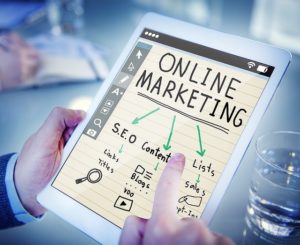 One of the most critical elements of a successful marketing strategy is targeting the right audience. You can have the best product or service globally, but if you’re not marketing to the right people, you’re not going to get very far. Consider factors like age, gender, location, and interests when determining your target audience. Once you have a good idea of who your target audience is, you can begin to create content that appeals to them.
 The delivery method is how you will get your offer in front of potential customers. There are many different options here, so it’s essential to choose the one that makes the most sense for your business. Common delivery methods include online ads, email marketing, content marketing, and social media marketing. Once you’ve determined the delivery method, it’s time to create your marketing materials. This could be anything from a website to a sales deck to a social media campaign. Whatever you choose, make sure it’s in line with your overall strategy.…
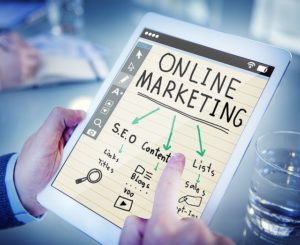 The first step in optimizing your videos for search engines is to make sure they are correctly tagged. Tags are keywords or phrases that describe the content of your video. When you add tags to your videos, you help Google, and other search engines understand what the video is about. Make sure to use various relevant tags, and don’t forget to include your main keyword or phrase. Also, the title and description of your video are also crucial for SEO. When people search for videos, they will see the titles and reports in the search results.
 Keywords are another critical factor for SEO. When you use keywords in your content, you help Google, and other search engines understand what your content is about. Make sure to use various relevant keywords throughout your website and videos. Moreover, social media platforms are a great way to promote your videos to reach a larger audience. When you share your videos on social media, you can increase the number of views and help them rank higher in the search results.…
 When users type in a search term into Google, they are looking for something specific. They may want to learn more about how your company can help them or even buy what you’re selling. However, if they do not find the information they need on your website as quickly as possible with their first page of search results, they will likely abandon your website and move on with their lives. This is why it’s so important to have a clear landing page that lets the user know exactly what you can do for them.
 One of the most common mistakes businesses make with their landing pages is not making them mobile-friendly. In this day and age, it’s essential to have a page that looks good on any device, as more and more people are using their phones or tablets to browse the internet. Another mistake is not including enough information on the page. As mentioned before, the goal of a landing page is to convince users that you can help them. If they don’t know what you do or how you can help them, they’re not going to stick around for long.
 When choosing a domain name for your eCommerce website, it is essential to pick something that accurately reflects what you do. For example, if you sell clothes online, the domain name should be something like “clothes.com” rather than “shop.com.” This will help customers find your site more efficiently and increase the chances of purchasing.
 When setting up your eCommerce website, it is essential to use a designed platform specifically for selling products online. This will make the process much easier and ensure that your site is compliant with all necessary security measures. Two popular platforms for this are Shopify and BigCommerce. If you’re not familiar with eCommerce platforms, we recommend checking out our tutorial: How to Use Shopify for eCommerce.
 After some research, I discovered several webmaster forums with active domain marketplaces. These forums are especially popular with PageRank. Some forums to consider are DNForum.com or TrafficPlanet.com. You can also sell domains on many other forums or established market sites like GoDaddy Auctions and Sedo.com. It is easy to create a domain marketplace like this. They allow domain sellers to list their domains for sale for a percentage of the selling price. Instead of buying and selling domains as you would in an e-commerce store, you can bid like you would on eBay.
 I was thinking of selling domains on Flippa since they charge $29 to list your website. I could sell them if I could bundle multiple domains. Selling ten domains for $40 would result in $400. That would cover Flippa’s fees, and you would have enough profit to do a profitable business. This is undoubtedly the lowest price. You could list up to 30 domains together, which would spread the cost better. Flippa can also be a good option if you don’t have a blog to promote your products. You can find fantastic deals or even sell your domains for a significant profit.
 Link building refers to the act of actively building links or creating multiple connections that can lead to your website. You can do this by writing and submitting articles similar to the one you’re reading. Writing guest blog posts with a backlink or two is another great way to build links. Submitting lists, commenting on blogs, participating in forums, and creating profile pages are examples of link building. The art of link building is taught in entire courses, and books are available. Why is link building so important? Why do so many people spend hours a week doing it? It builds links between pages or sites, which in turn send us visitors.